
As the global energy transition and the transformation of the monetary system reach a historic intersection, Bitcoin is being assigned a new role.
NVIDIA’s Jensen Huang recently offered a way to break the old frame: he argued that Bitcoin can permanently store surplus energy, functioning like a form of money that can be carried anywhere and used globally. The view echoes the position of Tesla founder Elon Musk. Together, the two technology leaders have pushed the idea of Bitcoin as energy money into the center of public debate.
Huang’s judgment moves beyond traditional financial thinking and goes straight to the fundamental link between energy and digital currency.
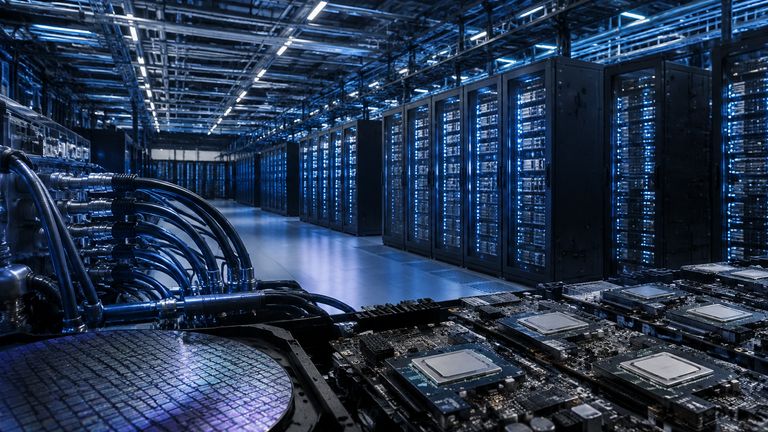
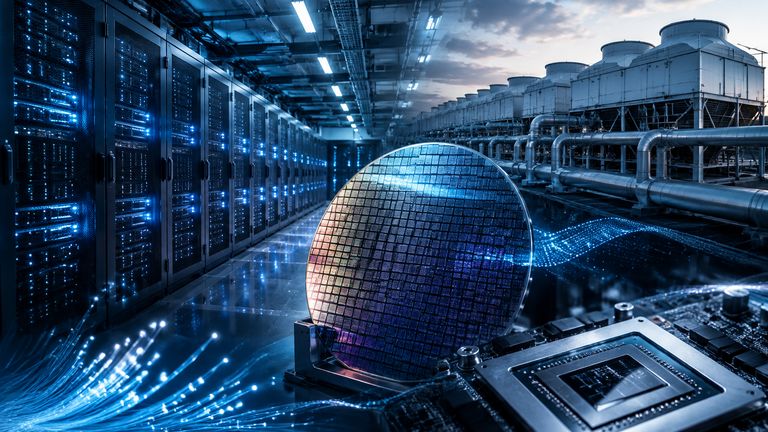
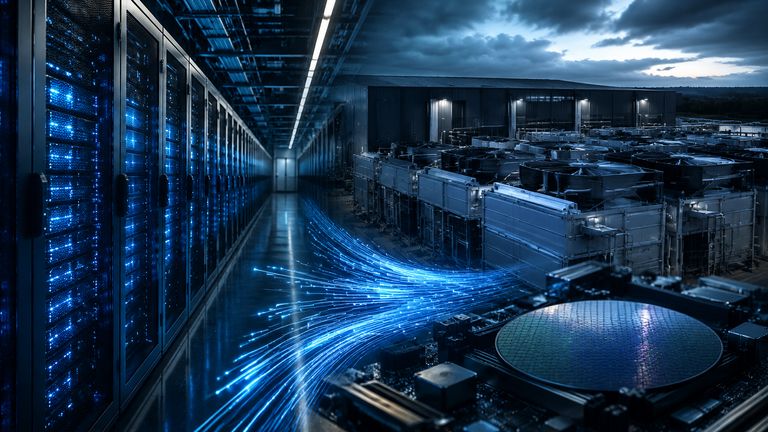
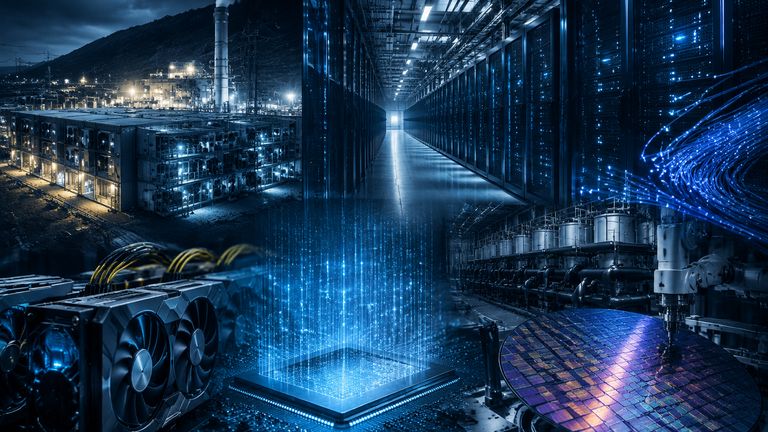
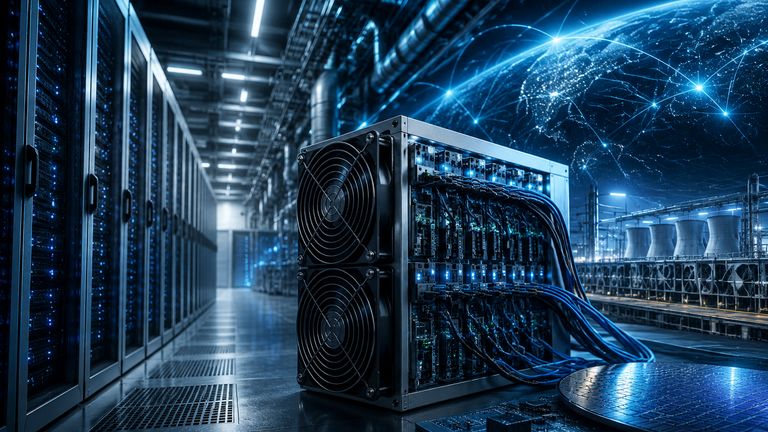
In his view, Bitcoin crypto mining is essentially the conversion of electricity into computing power, with miners using dedicated equipment to run cryptographic calculations. That process turns surplus electricity that might otherwise be wasted into valuable digital assets, opening a new path for converting energy into money and redefining Bitcoin’s underlying logic.
Its value anchor is no longer the traditional credit system, but energy itself. That value is especially clear in regions with abundant energy, where electricity that might sit idle because of transmission constraints can be converted through crypto mining into Bitcoin that moves globally. In this way, the value of energy is exchanged across time and space.
Unlike traditional carriers such as oil and natural gas, Bitcoin can be transmitted instantly around the world, divided without limit, and moved across borders.
These unique advantages make it something like a liquid form of energy, freeing the value of energy from the limits of physical space. Huang emphasized that this is no longer merely electricity consumption, but the effective activation and repricing of energy.
Musk’s repeated comments have added strong weight to this argument. Responding to concerns about the monetary system triggered by the United States’ federal debt of as much as $38.3 trillion, he said plainly that the very concept of money is weakening, and that over the long run, energy is the most fundamental form of money. He later made the point more directly on social media: Bitcoin is based on energy; you can issue fake fiat currency, as every government in history has done, but you cannot fake energy.
That view directly identifies the fundamental reason Bitcoin can resist inflation: its value base is tightly tied to the cost of energy.
Musk has long focused on sustainable energy and digital assets. As an entrepreneur with that background, he defines Bitcoin as a fundamental physical currency based on energy. He believes its proof-of-work mechanism converts real electricity into digital scarcity, and that its connection to physical laws makes it immune to arbitrary issuance by centralized institutions. Surplus energy is giving rise to a transformation in money, potentially laying the groundwork for a deeper reshaping of the future energy landscape and monetary system.
The way energy expresses value may also be entering a new digital-era model.
Comments
00No comments yet. Be the first to weigh in.